Speech and Language Therapy
Improve speech clarity, language development, understanding, expression, and functional communication for daily life.

Speech Therapy
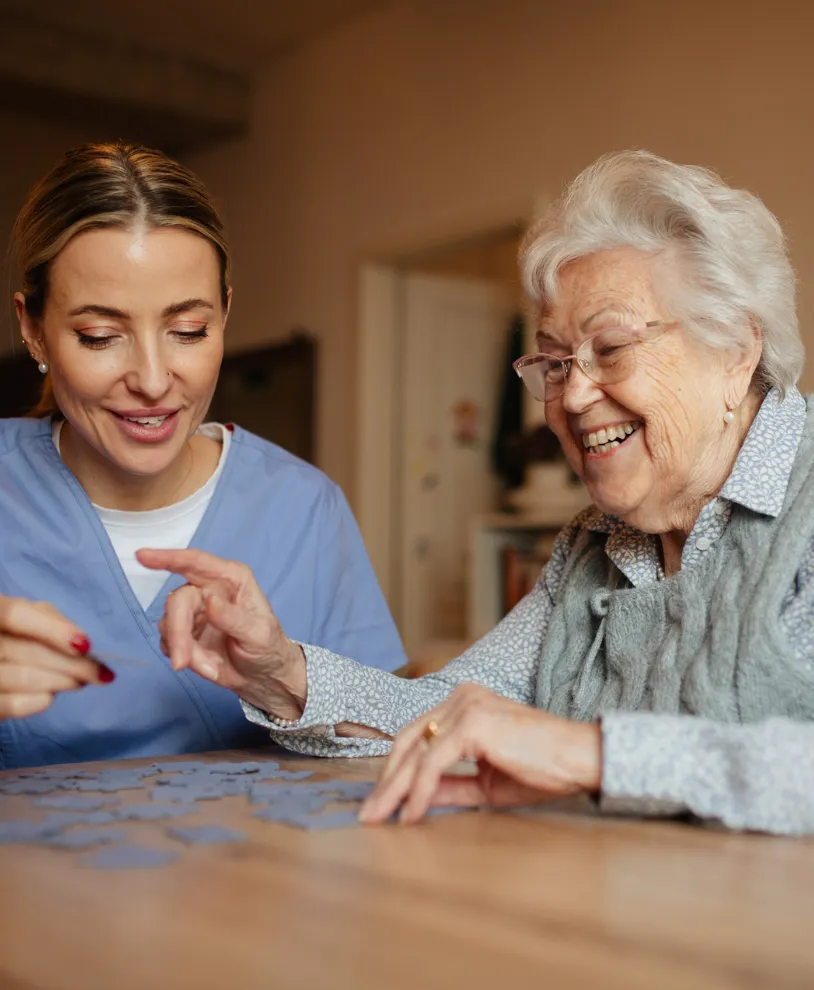
Personalized speech therapy
Speech therapy supports children and adults experiencing challenges with communication, cognition, voice, speech, or swallowing. Our therapists create individualized treatment plans focused on safer daily routines, greater independence, and meaningful progress.
Improve speech clarity, language development, understanding, expression, and everyday communication skills.
Address swallowing difficulties and build safer strategies for eating, drinking, and managing meals.
Strengthen memory, attention, organization, problem-solving, and other skills needed for daily life.
Improve vocal strength, quality, endurance, and healthy voice use following illness, injury, or surgery.
What we treat
Our speech therapists work with children and adults experiencing a wide range of challenges. Every treatment plan is built around the patient’s needs, goals, and everyday life.
Stroke and aphasia
Traumatic brain injury
Parkinson’s disease
Dementia and cognitive decline
Voice disorders
Dysphagia and swallowing disorders
Other neurological conditions
Speech sound and articulation disorders
Language delays
Reading and writing challenges
Social communication skills
Stuttering and fluency
Feeding difficulties
AAC and alternative communication support

Advanced speech therapy
Martin County Hospital District provides advanced evaluation and treatment options for complex swallowing, voice, communication, and cognitive conditions close to home.
FEES provides a real-time view of swallowing function to identify safety concerns, aspiration risk, and the most effective treatment strategies.
Detailed imaging captures vocal cord movement to help identify voice disorders and guide an individualized therapy plan.
Neuromuscular electrical stimulation may be used alongside therapeutic exercises to improve swallowing strength and function.
Hands-on techniques help reduce soft-tissue restriction, improve mobility, and support more comfortable swallowing and voice use.
Families receive practical communication strategies, education, and guidance for supporting loved ones safely and confidently.
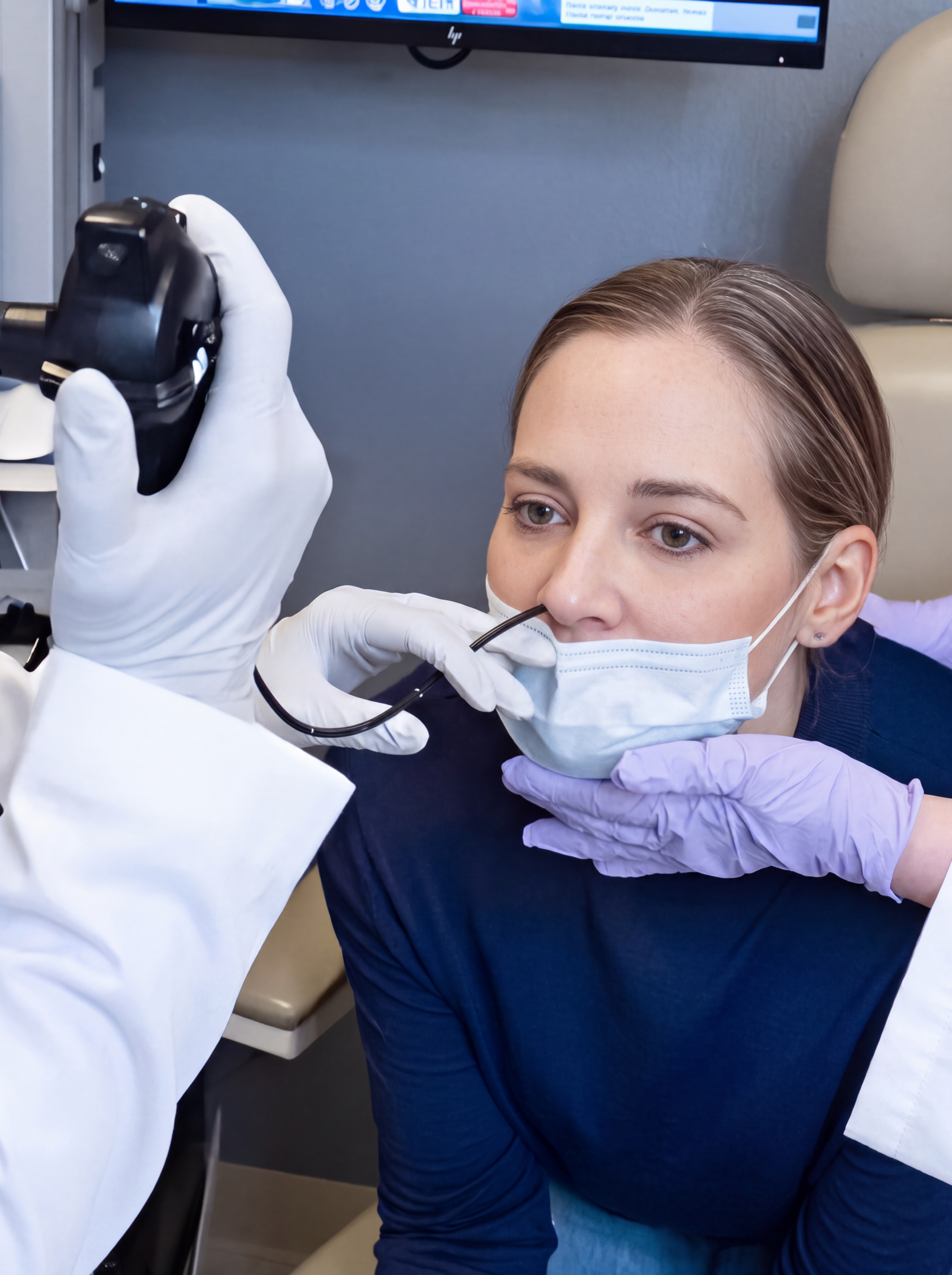
FEES and videostroboscopy allow our speech-language pathologists to evaluate swallowing and vocal cord function in real time. These technologies provide detailed clinical information that supports precise treatment decisions focused on safety, communication, and quality of life.
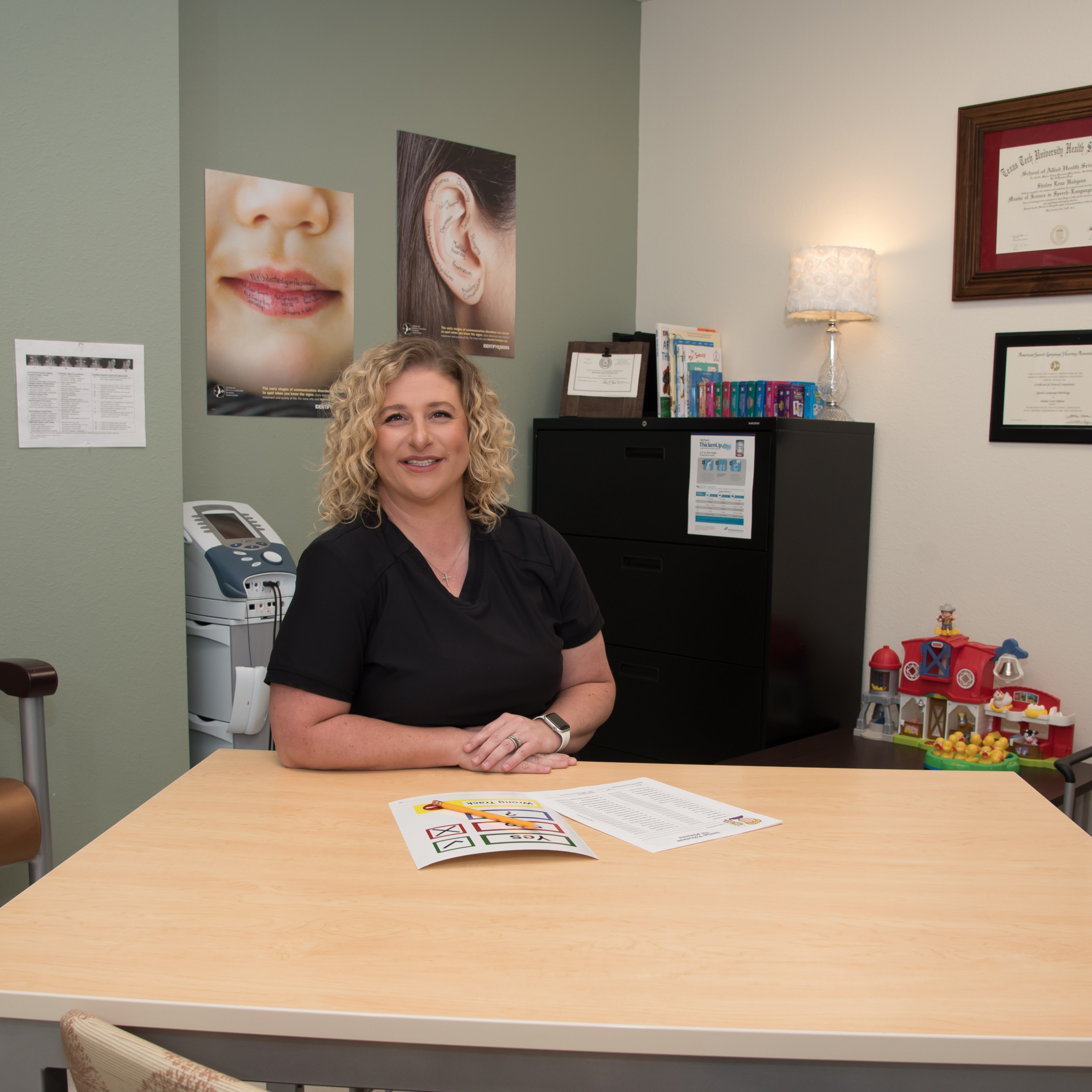
“When I can help someone communicate again and participate in their own life, that’s everything.”
Meet your specialist
Speech-Language Pathologist
With 15 years of experience, Shalon Sullivan helps children and adults improve communication, cognition, swallowing, and everyday independence through personalized speech therapy.
Her approach combines evidence-based care with practical strategies tailored to each patient’s goals, background, and daily life.
Swallowing disorders
Cognitive therapy
FEES and videostroboscopy
Patient story
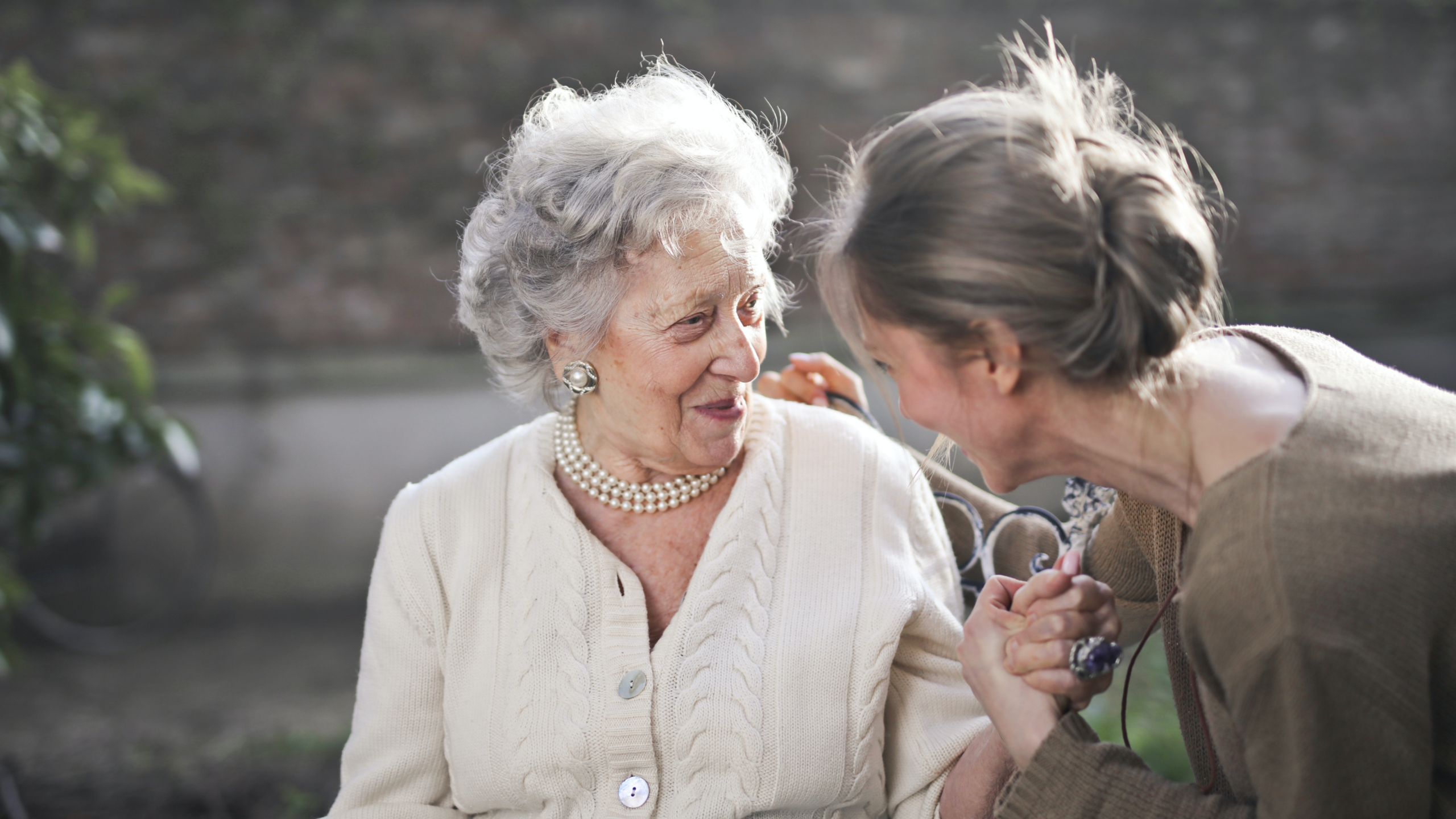
After a devastating stroke, one patient arrived unable to communicate beyond a few simple sounds. Conversations had disappeared. Expression was gone. Even connecting with family became difficult. Through months of focused speech therapy, progress came one step at a time. Words became sentences. Sentences became stories. Gradually, meaningful conversations returned. The patient was once again able to laugh with family, share memories, and connect with loved ones in ways that once seemed impossible. With dedication, expert therapy, and perseverance, communication returned—and with it, confidence, independence, and quality of life.
Memory and cognitive support
Speech-language therapy helps people experiencing dementia and cognitive decline maintain communication, improve daily function, and stay engaged with the people around them. Caregivers also receive practical strategies to support everyday interactions.
Reduce frustration and support clearer, more meaningful conversations.
Build practical routines that support safer, more independent daily living.
Use tools and environmental changes to make everyday tasks easier.
Give families practical guidance for communication, safety, and daily care.