
Diagnostic X-Ray
X-ray imaging is commonly used to evaluate bones, joints, the chest, and other areas of the body.
Diagnostic services
Clear answers begin with accurate testing. MCHD provides diagnostic imaging and laboratory services that help physicians evaluate symptoms, monitor health conditions, and make informed treatment decisions.
Explore services →Diagnostic support
Imaging and laboratory testing provide physicians with important information about what is happening inside the body. From evaluating new symptoms to monitoring ongoing conditions, these services support timely diagnosis and informed treatment planning.
Diagnostic imaging allows care teams to examine internal structures, evaluate injuries and symptoms, and monitor changes over time.
View imaging services →Laboratory testing helps identify health concerns, measure key values, and track how a condition or treatment is progressing.
View laboratory services →Imaging Services
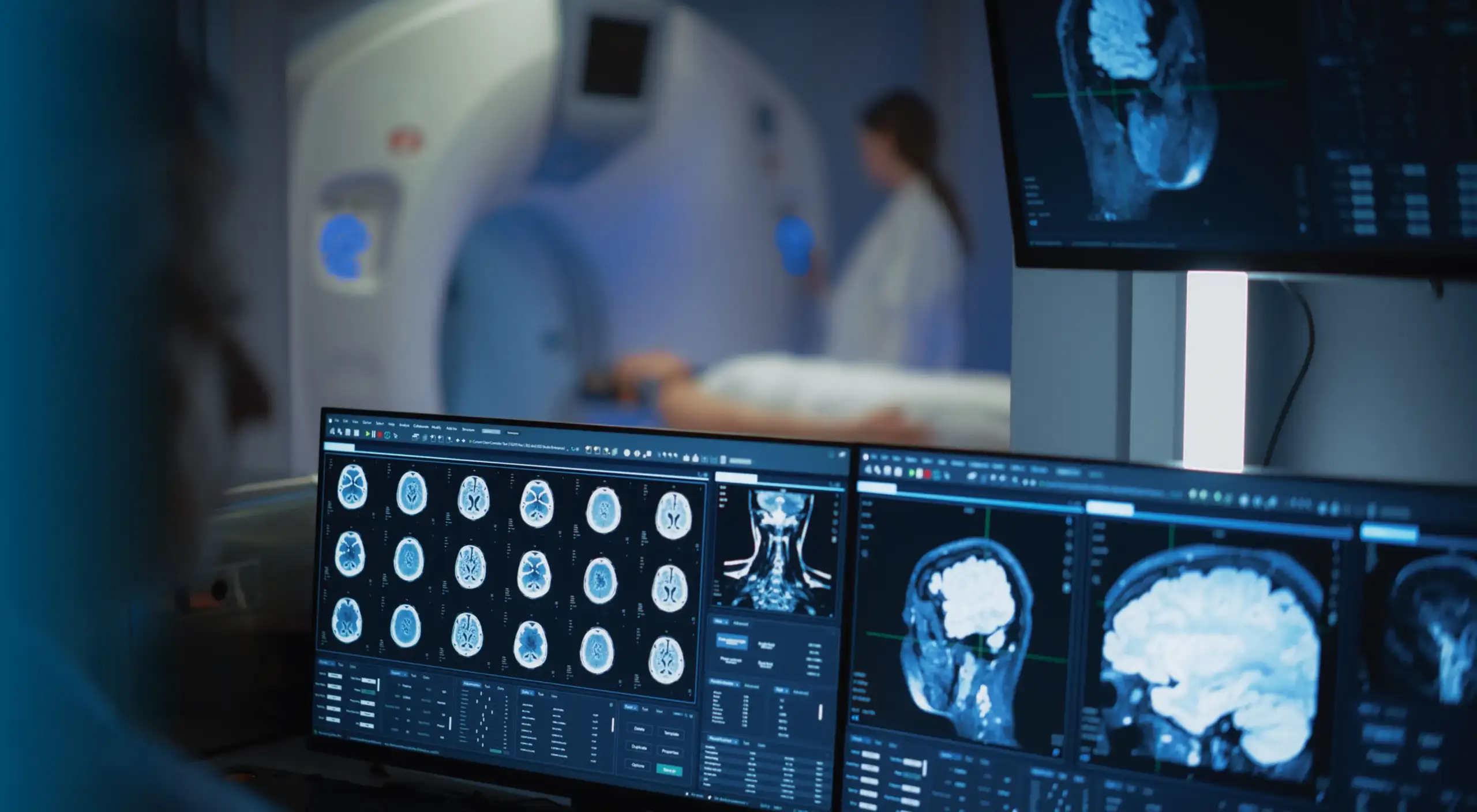
Diagnostic imaging gives physicians a closer look at structures inside the body. These exams can help identify injuries, evaluate symptoms, monitor health conditions, and guide treatment decisions.
X-ray imaging is commonly used to evaluate bones, joints, the chest, and other areas of the body.
CT exams create detailed cross-sectional images that can help physicians evaluate injuries, illness, and internal structures.
MRI uses magnetic fields and radio waves to produce detailed images of soft tissue, joints, organs, and other internal structures.
Ultrasound uses sound waves to create real-time images and may be used to evaluate organs, blood vessels, pregnancy, and soft tissue.
Diagnostic Care
Imaging and laboratory results give providers important information about a patient’s health. These findings can help confirm a diagnosis, monitor changes, evaluate treatment, and determine what should happen next.
Diagnostic testing helps providers evaluate symptoms, identify possible health concerns, and gather the information needed to make an informed diagnosis.
Follow-up testing may be used to monitor recovery, track an ongoing condition, or determine how well a treatment plan is working.
Imaging professionals, laboratory staff, nurses, and providers work together to make diagnostic information available to the care team.
Laboratory Services
Laboratory testing helps providers evaluate symptoms, identify health concerns, monitor ongoing conditions, and measure how a patient is responding to treatment.

Blood cell testing can help identify anemia, infection, clotting concerns, and other changes in overall health.
Chemistry testing measures substances in the blood that may reflect organ function, metabolism, and electrolyte balance.
Coagulation studies help evaluate how the blood clots and may be used to monitor certain medications or bleeding concerns.
Urine testing may help identify infection, kidney concerns, diabetes, and other health conditions.
Blood typing and compatibility testing help support safe blood transfusions when they are medically necessary.
Specialized testing may be used to detect antibodies, antigens, or genetic material associated with certain infections.
Before Your Visit
Preparation depends on the imaging exam or laboratory test your provider ordered. Follow the instructions you receive and contact the department before your visit if anything is unclear.
Some tests require fasting, drinking water, avoiding certain foods, or arriving at a specific time. Do not fast unless you have been instructed to do so.
Bring your photo identification, insurance information, and any testing orders or paperwork provided by your physician’s office.
Tell staff about medications, allergies, previous contrast reactions, implanted medical devices, or the possibility of pregnancy when relevant.
Do not stop taking prescribed medication or change your routine unless your provider gives you specific instructions.
Contact the department so staff can review the preparation instructions for your specific test.
Common Questions
Learn more about provider orders, appointments, test preparation, results, medical records, and important information to share before diagnostic testing.
Contact Our Team →Many imaging exams and laboratory tests require an order from a healthcare provider. Contact the department or your provider’s office before your visit to confirm what is needed for your specific test.
Appointment requirements vary by service. Some imaging exams must be scheduled in advance, while certain laboratory services may be available without a scheduled appointment. Contact the department before arriving to confirm availability.
Preparation depends on the test being performed. You may receive instructions about fasting, drinking water, medications, clothing, or arrival time. Follow the directions provided for your specific test and call the department if anything is unclear.
The time needed to complete and report results varies by exam or laboratory test. Results are sent to the ordering provider after they are reviewed and finalized. Your provider will explain the findings and any recommended next steps.
Copies of completed results may be available through the patient portal or by submitting a medical records request. Some records may require additional processing before they can be released.
Tell staff about allergies, previous reactions to contrast material, implanted medical devices, medications, and the possibility of pregnancy. This information helps the care team prepare safely for your exam.
Some specialized tests may be sent to a reference laboratory for processing. These tests may take longer to complete than testing performed on site. Your ordering provider will receive the finalized results when they are available.
Clear Answers Start Here
Contact MCHD to ask about scheduling, preparation instructions, provider orders, or what to bring for your imaging exam or laboratory test.